
AMLI Fountain Place
DFW International Airport
Ritz Carlton Las Colinas
Services
Simply Improving Difficult Environments


WHO WE SERVE
Across every industry,
we’re building confidence and
creating comfort

Transportation

Commercial
Buildings

Worship
Centers

Healthcare
Facilities

Retailers & Restaurants
About Us
Get to know
Kahn Mechanical Contractors
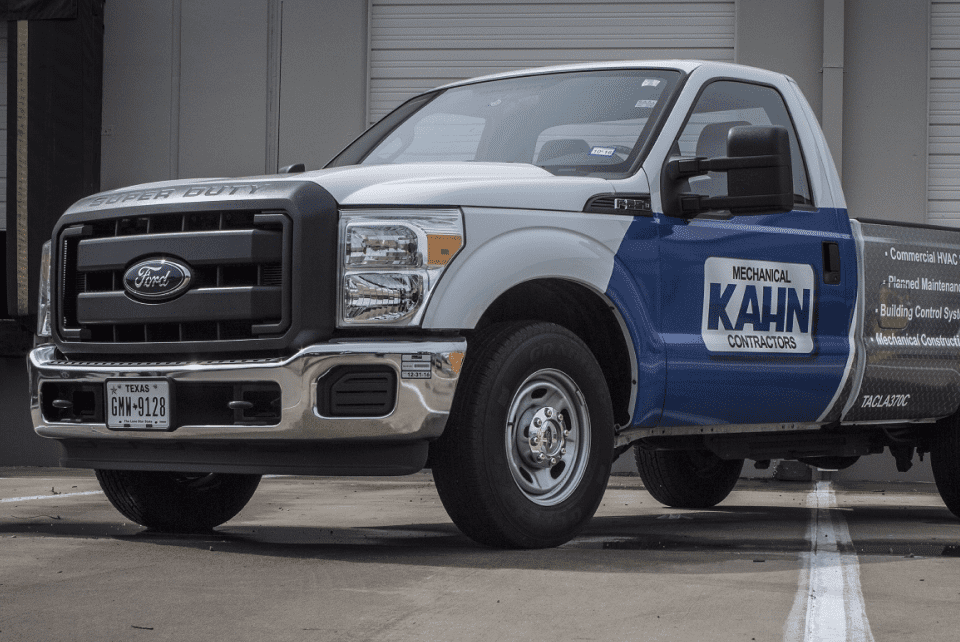
Kahn Mechanical Contractors is a family-owned commercial HVAC business. We have diligently served the Dallas/Fort Worth area’s commercial HVAC needs since 1974. We’re proud of the accolades we’ve earned by providing air conditioning system, air conditioning repair, air conditioning installation, HVAC system installation or heating systems service company, but our expansive list of satisfied customers best testifies to our longstanding commitment to excellence.
When you choose Kahn Mechanical, you are not simply searching for HVAC contractors near me, or heating contractors near me, and HVAC installation near me. You are not getting a typical HVAC contractor, HVAC Technicians or simple air conditioner or HVAC repair. You know you’re getting one of the best HVAC contractors in Dallas, in experience, in talent, and in service.
When you choose Kahn Mechanical, you are not simply searching for HVAC contractors near me, or heating contractors near me, and HVAC installation near me. You are not getting a typical HVAC contractor, HVAC Technicians or simple air conditioner or HVAC repair. You know you’re getting one of the best HVAC contractors in Dallas, in experience, in talent, and in service.
Partner With Our Team Today!
Our satisfied Clients
Join the many satisfied companies that already
partner with Kahn Mechanical Contractors




TTI, Inc. Testimonial
Success Stories
What our clients are
saying about us...
”Our project progressed with the highest degree of workmanship and professionalism. I have never been associated with a company that has such high standards and pure ethical scope.”
Facilities Manager Jenterra LLC
“Scofield Memorial Church has realized a fifty thousand dollar savings in energy in the last twelve months from the upgrade in HVAC units completed just last summer – this is a one-third reduction in our total electrical bill!”
Scofield Memorial ChurchDirector Of Operations